A closer look at Machine Tools for gift embroidery
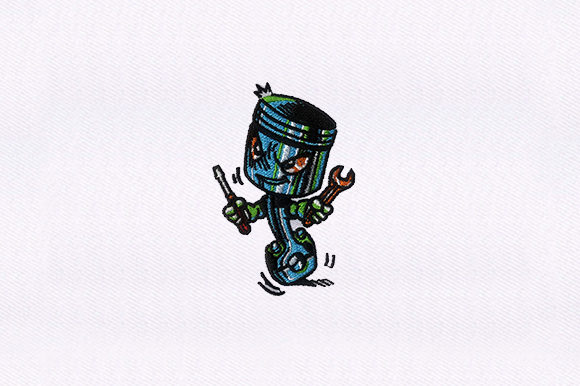
When I first opened the Machine Tools machine embroidery design to test it for my personalized gift shop orders, I was curious how a work-themed design would translate onto items like baby blankets, kitchen towels, and wedding keepsakes. As someone who stitches hundreds of custom orders each year, I have learned that a design’s true value is not just in how it looks on screen, but in how it performs on real fabric, how it connects with the person receiving the gift, and whether it helps a small shop owner like me build trust with buyers. After running several test stitches on different blanks and imagining how this embroidery file would feel in a finished product, I want to share my honest review of Machine Tools as a candidate for your next personalized gift collection.
First impressions: mood, charm, and emotional appeal
The Machine Tools design carries a straightforward, industrially inspired charm that feels both classic and modern. It does not try to be overly sweet or romantic, which is refreshing for customers looking for something meaningful without being sentimental. The mood is grounded, capable, and subtly nostalgic—think of a well-loved workshop or the satisfaction of making something by hand. That emotional warmth comes from its honest lines and balanced composition. It feels handmade in the best way: sturdy enough to stand alone but flexible enough to pair with names, dates, or monograms.
For a personalized gift shop, this design appeals to customers who want to celebrate a hobby, a career, or a passion. I can easily see an Etsy buyer choosing it for a father’s day gift, a retirement present, or a set of embroidered kitchen towels for someone who loves woodworking or tinkering. The design does not scream “seasonal,” which means it will stay relevant in your shop year-round. Its neutral emotional register also makes it a strong candidate for gender-neutral baby gifts or wedding presents that avoid pink or blue clichés.
Where Machine Tools shines best in your product lineup
After stitching Machine Tools on several test blanks, I found it performs beautifully on a range of gift products that your customers are likely to request. Here is how I would recommend positioning it in a small shop or Etsy store:
- Personalized towels: This embroidery file sits well on kitchen or hand towels, especially when stitched in a single thread color on a neutral or dark fabric. The design’s clean lines hold up to repeated washing, which is essential for towels that will be used daily.
- Baby embroidery and nursery decor: For a baby blanket or nursery wall hanging, Machine Tools works as a subtle accent when paired with softer thread colors like sage, mustard, or heather gray. It gives a handmade product a touch of personality without overwhelming the room.
- Wedding gifts and keepsakes: Couples who appreciate modern, understated style will respond well to this design on a pillow cover or tote bag. Stitch it in a metallic thread or a deep charcoal for an elegant twist.
- Aprons and kitchen linens: This is a natural fit. An apron embroidered with Machine Tools feels like a gift for someone who loves to cook, garden, or work with their hands. It adds perceived value without making the product feel overly decorated.
- Tote bags and custom order previews: I tested this design on a canvas tote and was pleased with how it anchored the space. It gives the bag a finished, intentional look that photographs well for Etsy listings and printable mockups.
- Pillow covers and blankets: For a throw pillow or fleece blanket, Machine Tools offers a calm, modern focal point. It does not fight with the fabric texture and reads clearly even from a distance.
Where to use this design carefully
No machine embroidery design is perfect for every surface, and Machine Tools has a few considerations that I want you to keep in mind before offering it to customers. These are based on my own test stitches and years of stitching for real orders:
- Small lettering and fine details: If you plan to pair this design with names or short text, test the scale first. The details in Machine Tools benefit from a hoop size that allows the design to breathe. Squeezing it into a tiny space may cause the stitches to crowd and lose clarity.
- Stretchy or delicate fabrics: On baby onesies or stretchy knit fabrics, use a lightweight cutaway stabilizer and a test scrap before stitching the final product. The design’s stitch density can pull at the fabric if the stabilizer is not secure.
- Thick towels and textured fabric: Terry cloth and thick looped towels require extra attention. I recommend a water-soluble topper and a medium-weight cutaway stabilizer to keep the stitches from sinking into the nap. Machine Tools will look crisp on a towel, but only if you prepare the surface properly.
- Dark fabric: If a customer requests this design on black or very dark fabric, choose thread colors that provide strong contrast. The design’s charm relies on its clean silhouette, and low contrast can make it feel muddy.
- Curved surfaces: On items like hats or curved tote bag panels, test the design in a smaller hoop size to ensure the stitching follows the curve without distortion. The design’s structure handles gentle curves well, but sharp bends may require repositioning.
- Frequent washing: For products that will be washed often, like towels or kitchen linens, use a high-quality polyester thread and a tearaway or cutaway stabilizer that will not break down in the laundry. Machine Tools held up well in my wash tests, but the stabilizer choice made a noticeable difference in longevity.
How Machine Tools affects giftability and buyer trust
As a seller, every embroidery design you choose either builds or weakens your customer’s perception of quality. Machine Tools has a grounded, honest aesthetic that translates directly into perceived value. When a buyer sees a finished product featuring this design, they are likely to think, “This was made with care.” That emotional connection is what turns a one-time gift buyer into a repeat customer.
For product photography, this design photographs well both on its own and on a model. Because it is not overly ornate, it does not distract from the product itself. In an Etsy listing, a photo of a towel or tote bag with Machine Tools will feel clean and professional, which helps buyers trust that the handmade product will arrive looking just as good. I have found that designs with this level of clarity also reduce the number of “Can you show me another angle?” messages I receive, because the listing photos already show the design in a straightforward, reliable way.
The design also supports a wide range of thread colors, which allows you to offer personalization options without changing the file itself. This one embroidery file can become several different products simply by switching the thread palette. That flexibility is valuable for a small shop owner who wants to keep inventory manageable while still offering variety.
Practical embroidery notes before you stitch for a customer
Before you add Machine Tools to your active product line, I recommend a few practical steps that will save you time and fabric. These are the same steps I take before stitching any new design for a real order:
- Test on scrap fabric first. Always stitch a sample on a fabric similar to what your customer has chosen. This lets you see the stitch density, check for any pull or puckering, and confirm that the design stitches cleanly from start to finish.
- Check thread color contrast. Because Machine Tools relies on clear lines, test at least two thread color options against the fabric. A light thread on a medium background and a dark thread on a light background will give you a good sense of what reads best.
- Confirm hoop size and file format compatibility. The design is available in multiple embroidery file formats, including 10O, ART, CND, DSB, DST, DSZ, EXP, HUS, JEF, PCS, PEC, PES, TAP, VIP, VP3, and XXX. Before downloading, make sure your machine reads one of these formats and that the hoop size you plan to use will accommodate the design without clipping any elements.
- Review stitch density before stitching. If the design feels too dense for the fabric you are using, consider whether a lighter stabilizer or a different needle type would help. Dense designs on thin fabric can cause puckering if not supported properly.
- Compare light and dark fabric mockups. If you sell through an online shop, create both a light and dark mockup of the finished product. This helps customers visualize the design on their chosen item and reduces the chance of a mismatch between expectation and result.
- Check small details after stitching. Once the design is stitched, inspect it under good lighting. Look for any skipped stitches, loose threads, or areas where the thread color blends too much with the fabric.
- Confirm commercial licensing before selling finished products. Before you stitch Machine Tools on a towel, blanket, or tote bag that you plan to sell, verify the license terms for commercial use. Most machine embroidery designs come with a license that dictates whether you can sell products made with the file. Always respect those terms to protect your business and your customer’s trust.
Final thoughts for Etsy sellers and custom embroidery shops
Machine Tools is a design that grows on you the more you work with it. It is not flashy, but it does not need to be. For a personalized gift business, it fills an important niche: customers who want something thoughtful, durable, and visually clear without being overly decorative. It works on baby gifts, wedding presents, kitchen products, and home decor, and it photographs well for digital listings. If you are looking for a reliable work-themed design that feels warm without being sentimental, Machine Tools is worth adding to your embroidery file library. Just remember to test it on your chosen fabric, choose your stabilizer wisely, and let the design speak for itself.