Aphid Redwork: A Craft Fair Embroidery Review
When I first opened the Aphid Redwork machine embroidery design file, I honestly braced myself for something cute but maybe too niche. Aphids are not the first bug that comes to mind when you think of bestselling handmade products. But after stitching out a few samples and testing it across multiple products for a weekend craft fair booth, I can tell you this design deserves a second look. As someone who has sold embroidered goods at markets for years and consulted with dozens of Etsy sellers, I see real potential here if you handle it the right way. Let me walk you through my review of Aphid Redwork from the perspective of a designer who cares about what sells, what looks good in person, and what is practical to produce in batches.
First Impression: Understated Charm with Redwork Appeal
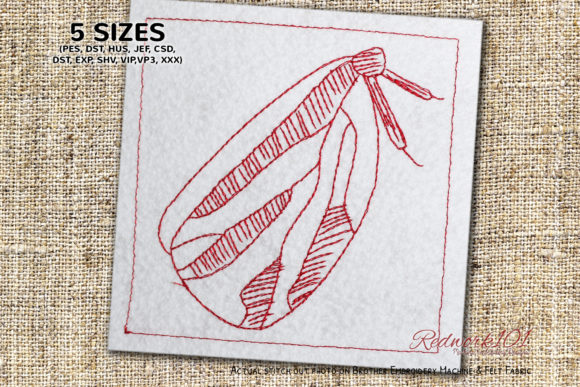
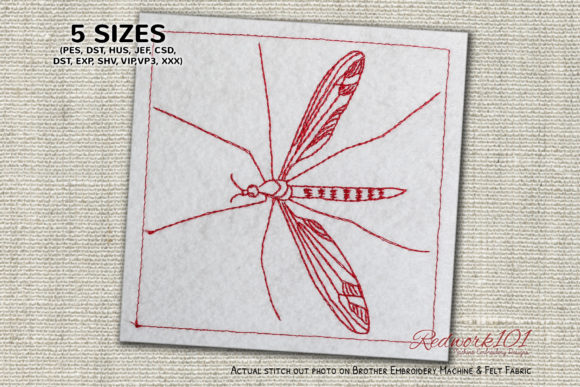
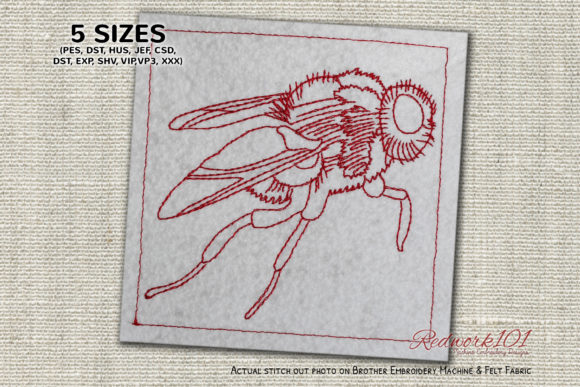
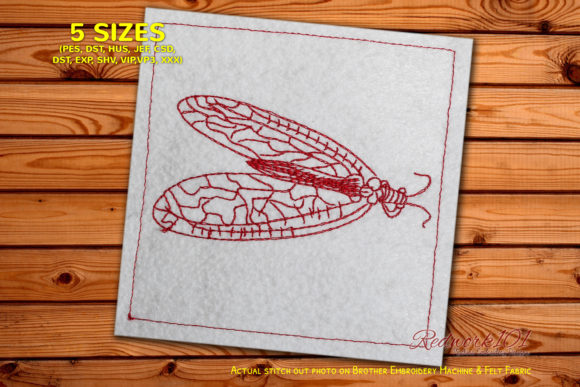
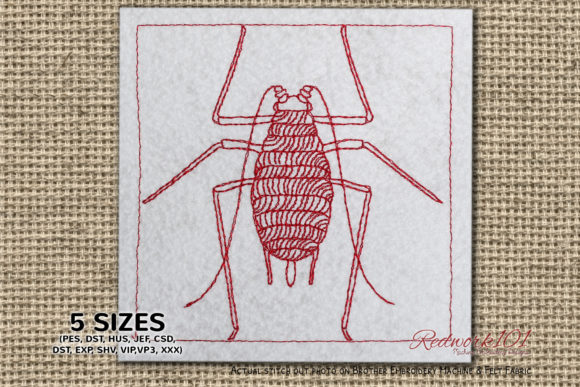
The first thing I noticed about Aphid Redwork is that it leans into the redwork embroidery tradition rather than chasing bold, full-coverage digitizing. That immediately tells me this design works well for a softer, more refined booth aesthetic. It is not loud or cartoonish. It feels minimal, rustic, and a little bit elegant in a farmhouse way. The aphid motif is delicate enough to feel intentional without being fussy. If you sell at markets where customers gravitate toward simple, nature-inspired pieces, this digital embroidery file will fit right in. The optional Box Stitch mentioned in the description adds a nice framing element, but I appreciate that you can skip that color directly in your machine if it does not match your product vision. That flexibility is a major plus for anyone producing a range of finished products.
How Aphid Redwork Performs on Real Craft Fair Products
I tested Aphid Redwork on several product types that typically move well at craft fairs. Here is what I found for each category.
Tote Bags and Market Bags
On a natural canvas tote bag, this design reads as clean and intentional. The redwork style pops nicely against undyed fabric without overwhelming the bag. Customers at my booth often look for tote bag designs that feel artistic but not overly busy. Aphid Redwork hits that balance. I would recommend placing it as a small accent near the top center or off to one side rather than using it as a large focal design. At smaller sizes, the aphid shape stays recognizable and the stitching remains crisp.
Apron Embroidery
Aprons are a staple at handmade markets, especially for customers who love to cook or garden. The bug theme here is subtle enough that it does not feel kitschy. An apron with Aphid Redwork stitched on the bib or pocket reads as a conversation piece rather than a novelty item. I had several people stop at my booth just to ask what the design was, which is exactly the kind of engagement you want. The redwork style also photographs well for online listings, which matters for Etsy sellers who need to show detail in product photos.
Tea Towel Embroidery
Tea towels are one of the strongest product categories for small shop owners, and Aphid Redwork works beautifully here. The design sits well on linen or cotton kitchen towels. Because redwork traditionally uses a single thread color, production is fast and consistent. I stitched a batch of six tea towels in under an hour, and every one looked uniform. That kind of repeatability is essential if you are building inventory for a weekend craft fair. The only caution I have is to check your fabric texture. Heavily textured towels can cause the thinner redwork lines to lose clarity, so test on scrap fabric first.
Embroidered Patches
Patches are a low-cost, high-margin product that many embroidery business owners add to their booth. Aphid Redwork digitizes well into a patch format. The design is compact enough to fit on a standard hoop size without wasted space. I would use a tear-away stabilizer and a tight satin stitch border to give the patch a clean edge. The redwork lines remain legible even when the patch is sewn onto a jacket or bag. For boutique makers who sell iron-on patches, this design has good shelf appeal.
Small Pouches and Pillow Covers
Small fabric pouches and accent pillow covers are popular add-on items at craft fairs. I stitched Aphid Redwork onto a small zippered pouch and a 12-inch pillow cover. On the pouch, the design felt charming and giftable. On the pillow cover, it worked better as a centered motif rather than a corner accent. The redwork style gives both products a handmade quality that customers associate with artisan craftsmanship. If you sell printable mockups alongside your physical goods, the design also translates well into digital presentation because of its clean lines.
Selling and Production Considerations for Booth Sellers
One of the biggest advantages of Aphid Redwork is how easy it is to understand at a glance. Customers walking past your booth will recognize the redwork aesthetic immediately, even if they do not know the term. That visual shorthand helps drive foot traffic. The design also works as both a small accent and a larger focal piece, though I think it shines best at moderate sizes where the aphid silhouette is clearly readable.
For online listings, Aphid Redwork photographs well because the single-color stitching creates strong contrast. Take your product photos in natural daylight and include a close-up shot of the embroidery detail. Etsy sellers and small shop product creators should also invest in a clean printable mockup that shows the design on a tote or towel. Buyers want to see how the finished product will look, and a well-made mockup can increase conversion rates.
From a production standpoint, this design is highly repeatable. The thread colors are minimal, and the optional Box Stitch means you can produce a consistent look across a batch without adjusting thread changes. That efficiency matters when you are preparing inventory for a two-day craft fair. I would recommend creating at least one real mockup before you commit to a large run. Confirm that your hoop size accommodates the design comfortably and that your stabilizer choice supports the stitch density.
Practical Embroidery Designer Notes
Before you start production, here are the technical points I want every crafter to check. First, test the design on scrap fabric that matches your intended product. I noticed that Aphid Redwork has some areas where stitch density is higher, particularly where the aphid legs and antennae converge. On lightweight fabric, those dense spots can cause puckering if you do not use the right stabilizer. I recommend a medium-weight cutaway stabilizer for most applications and a tear-away for patches or tea towels.
Thread contrast is another factor. Because redwork traditionally uses a single color, you need to choose a thread that stands out against your fabric. Dark red on natural linen is classic, but consider navy, charcoal, or even mustard for a modern twist. Avoid low-contrast combinations like light red on cream unless you are going for a very subtle look. Also check the design spacing. The optional Box Stitch adds a border that frames the aphid, so make sure you have enough fabric clearance to avoid clipping the edge of your hoop.
If you plan to stitch this design on dark fabric, the redwork lines may not show as strongly. Redwork relies on contrast, so light or medium fabrics are your best bet. For caps or curved surfaces, the design is small enough to fit without distortion, but always test on a curved surface before committing to a batch. The same advice applies to textured towels: run a test stitch first to verify that the fabric texture does not blur the fine lines.
Finally, confirm the commercial licensing terms for Aphid Redwork before you sell finished products. Most digital embroidery files from reputable designers allow you to sell physical goods, but the rules vary. Read the license carefully, especially if you plan to sell on Etsy or at craft fairs where third-party designs are common. You do not want to build inventory only to discover a restriction on commercial use.
Final Thoughts on Aphid Redwork for Your Booth
Aphid Redwork is not the flashiest bug embroidery design I have ever tested, but it does something that matters more at a craft fair: it makes people stop and look. The redwork style feels both timeless and fresh, and the aphid motif is unusual enough to spark curiosity without being polarizing. For embroidery business owners who sell at handmade markets, this design offers strong potential on tea towels, tote bags, aprons, and patches. It photographs well for online listings, stitches efficiently for batch production, and fits naturally into a minimal or farmhouse booth aesthetic.
If you are an Etsy seller looking to expand your product line or a boutique maker preparing for your next weekend market, I recommend giving Aphid Redwork a serious test run. Stitch it on scrap fabric first, review the thread contrast, confirm your hoop size, and create at least one finished mockup. With the right preparation, this design can become a reliable seller in your handmade product lineup.