Pinacolada Cocktail Redwork – A Hands-On Review
When I first opened the Pinacolada Cocktail Redwork embroidery file, I was curious how a cocktail-themed redwork design would translate into real stitch work. Redwork has a classic, hand-embroidered feel, and pairing it with a tropical drink motif is an unexpected combination. After running it through several test stitches and applying it to a few different product types, I want to share what I found useful, what gave me pause, and where this design performs best in a commercial or handmade setting.
First Look: Mood, Shape, and Visual Personality
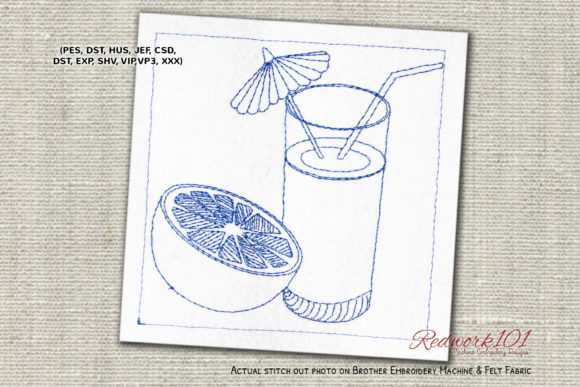
The Pinacolada Cocktail Redwork carries a playful but clean aesthetic. The outline-based redwork style keeps the design light and airy, which is a smart move for a cocktail motif. It doesn’t try to be overly realistic or dense. Instead, it leans into the charm of simple line work, making it feel more like a vintage kitchen towel or a relaxed summer tote than a heavy bar sign. The glass shape is recognizable, and the overall layout has a balanced proportion that sits well on both centered and offset placements.
The mood here is casual, sunny, and a little nostalgic. If you are selling personalized gifts or boutique items for summer markets, bridal parties, or tropical-themed events, this design fits naturally. It does not scream for attention, which is a strength. It invites a closer look, and that quiet confidence works well for handmade product lines where the stitching itself is part of the appeal.
Testing Pinacolada Cocktail Redwork on a Real Project
For my real-use test, I stitched Pinacolada Cocktail Redwork onto a medium-weight cotton tote bag, the kind you would sell at a craft fair or offer as a custom item for a small shop. I chose a natural cream fabric to keep the redwork contrast sharp. The design hooped easily in a 4x4 hoop, and the stitch density felt appropriate for this size. The optional box stitch was included in the file, but I chose to skip it for the tote project to keep the look minimal. Later, I tested it again on a linen blend apron with the box stitch active, and it added a nice framed structure that gave the piece a more finished, gift-ready appearance.
On the tote, the running stitch outlines came out crisp. The red thread stood out cleanly against the light fabric, and the design held its shape well after washing. I used a medium-weight cutaway stabilizer, which I recommend for any custom apparel or bag project where the fabric needs support behind the stitch lines. The design does not rely on heavy fill areas, so it handled the curve of the tote’s front panel without distortion.
Where This Design Shines – and Where to Think Twice
Let me be direct about where Pinacolada Cocktail Redwork delivers its best value. In my experience, redwork designs like this one excel on products that benefit from a hand-drawn look. Think tea towels, pillow covers, aprons, lightweight sweatshirts, and baby bibs if you want a playful adult motif for a parent gift. The design also works well as an embroidered patch if you are producing sew-on or iron-on patches for craft business inventory. The simple line work makes it a strong candidate for commercial embroidery runs where consistency across multiple units matters.
On the careful side, I would avoid placing this design on very dark fabrics unless you test thread color contrast first. Redwork on black or navy can disappear if the red is not vibrant enough. Also, because the design uses fine lines, stretchy fabrics like jersey knits or ribbed cuffs can distort the stitch quality. If you are adding it to a cap or a curved surface, use a firm stabilizer and a smaller hoop to maintain registration. The optional box stitch adds density, so if you are working with a thin or delicate fabric, consider skipping it or reducing the stitch count slightly in your software.
How Stitching Clarity Affects Product Value and Customer Trust
One of the most underrated aspects of any machine embroidery design is how it affects the perceived value of the finished product. When I stitched Pinacolada Cocktail Redwork and placed it next to a similar cocktail design with heavy fill stitching, there was a noticeable difference in how each piece felt. The redwork version read as more artisanal, more intentional. That matters when you are an Etsy seller or a small shop product creator trying to differentiate your line from mass-produced goods. Customers notice when a design looks clean, balanced, and well-executed. They also notice when stitches are loose, puckered, or poorly placed. This design, when properly stabilized, delivers the kind of sharp, clear stitching that builds trust in your brand.
I also tested this design on a personalized gift project — a set of cocktail napkins for a wedding gift. The redwork style felt appropriate for a more refined piece, and the recipients commented on how the stitching looked like it could have been hand-embroidered. That reaction is exactly what you want when you are selling handmade products at a premium. The design does the work of elevating the object without overwhelming it.
Designer Notes Before You Press Start
Here is the practical advice I give to any embroidery designer, craft business owner, or creative entrepreneur before using Pinacolada Cocktail Redwork in production:
- Test on scrap fabric first. Run a test stitch on a piece of fabric similar to your final product. Check the thread colors against the fabric color. Redwork relies on contrast, so a quick test saves you from stitching an entire run and discovering the design looks washed out.
- Review stitch density and hoop size. The file I tested worked well in a 4x4 hoop, but if you are scaling it up or down, confirm that the stitch density remains balanced. Redwork designs can lose definition if resized too small.
- Check the box stitch decision early. The optional box stitch is listed as a separate color in the file. If you want a framed look, include it. If you prefer the design floating freely, leave it out. Make that call before you start digitizing or cutting thread changes.
- Use proper stabilizer for the fabric type. For woven cotton and linen, a tearaway stabilizer works fine. For knits and stretchy fabrics, use a cutaway. For baby embroidery or delicate fabrics, a lightweight water-soluble stabilizer on top can prevent the stitches from sinking.
- Test in black and white mockups. Before stitching, convert the design to grayscale in your software. This helps you see if any areas are too dense or too sparse. It also reveals how the design reads when color is removed, which is useful for printable mockups and digital product previews.
- Confirm licensing for commercial use. If you are selling finished items or using the design as part of your design assets for client work, verify the license terms. This is a standard step for any digital embroidery file you purchase, and it protects your craft business from issues down the road.
Final Impressions for the Stitching Professional
Pinacolada Cocktail Redwork is a design that rewards attention to detail. It is not a loud, flashy motif. It is a thoughtful piece of embroidery that works best when you let the simplicity speak. Whether you are stitching it onto a tote bag design for a summer market, adding it to a sweatshirt embroidery lineup, or creating holiday embroidery gifts for tropical-themed events, it holds its own. The Wine and cocktail theme gives it a natural home in barware gift sets, kitchen linens, and casual apparel.
For the embroidery project that needs a clean, recognizable motif with a handcrafted feel, I would recommend this file. Just take the time to stabilize properly, test your contrast, and decide on the box stitch early. The result will be a finished product that looks intentional, polished, and ready for a customer who values quality stitching over mass production.