Sweet and Tasty Cup Cake: Embroidery Design Review
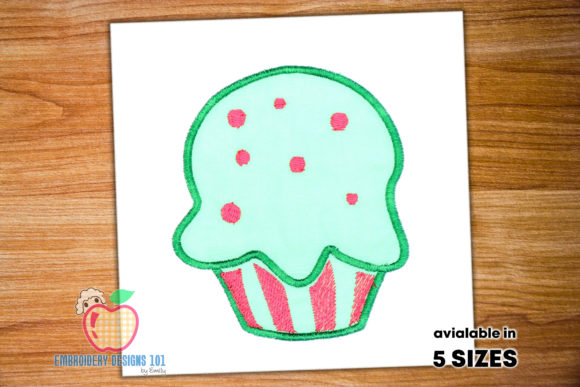
Every now and then a machine embroidery design comes along that makes you stop and think, this is the sort of design my customers will actually love to stitch and wear. As someone who has spent years testing digital embroidery files for everything from boutique apparel to personalized baby gifts, I’ve learned to look past the surface appeal. The Sweet and Tasty Cup Cake embroidery design has a cheerful, celebratory mood right from the first glance. The shape is classic – a rounded cupcake with a generous swirl of frosting – and the level of detail hits a sweet spot between charming and practical. Let me walk you through what this design offers in real project use, where it shines, and where you might want to approach with caution.
A Design That Reads “Celebration” Without Being Overly Busy
First impressions matter when you’re building a product collection. The Sweet and Tasty Cup Cake carries a light, joyful energy. The frosting swirl provides natural visual movement, while the base of the cupcake offers a clean shape for thread colors to contrast nicely. It’s not an overly complex illustration – which is exactly what you want for a design that might be used across multiple products. The steps are separated by color changes, a detail that tells me the digitizer thought about practical stitching order. That matters when you’re running a batch of orders and need consistent results.
This design sits firmly in the dessert embroidery category, but it doesn’t feel gimmicky. It feels like a pattern you could confidently offer as a custom apparel design, a kitchen towel accent, or an embroidered patch for a craft fair. The theme is universal enough to appeal to bakers, birthday gift shoppers, and anyone who loves playful food motifs.
Real Project Performance: From Tote Bags to Toddler Sweatshirts
To give you a realistic picture, I prepped a sample tote bag and a toddler sweatshirt for testing. The tote bag was medium-weight canvas – a forgiving surface that handles fill stitch and satin stitch well. The cupcake design stitched out cleanly. The frosting satin stitches had a nice sheen, and the fill stitch in the cupcake base covered evenly without gaps. On the sweatshirt (a cotton-poly blend with slight stretch), I used a cutaway stabilizer and a light topping. The design held its shape, and the step changes between colors were crisp. No thread breaks, no shifting, no puckering around the finer details.
For an Etsy seller or small business owner, this consistency is gold. When you’re stitching multiple items for a custom order, you can’t afford a design that acts up halfway through. The Sweet and Tasty Cup Cake performed like a reliable workhorse. It also works beautifully as an embroidered patch outline – simply run a satin stitch border around the design after stitching the fill areas, then cut and seal the edges.
Where This Design Shines in Your Product Line
- Custom Apparel: Sweatshirts, t-shirts, aprons – the cupcake motif adds a playful touch that resonates with dessert lovers and gift shoppers.
- Tote Bags & Kitchen Towels: Perfect for boutique branding or as a wedding favor item. The satin and fill stitches hold up well on woven fabrics.
- Embroidered Patches: Create standalone patches for hats or bags. The design’s shape works well as an applique design with a fabric base.
- Baby & Nursery Decor: The cupcake theme is a natural fit for baby shower gifts, nursery wall art, or onesies – just scale it appropriately and use soft pastel thread colors.
- Holiday & Birthday Gifts: Embroider on pillow covers, blankets, or personalized tote bags for a handmade product that feels thoughtful and professional.
Places to Exercise Care Before Stitching
No design is perfect for every situation, and the Sweet and Tasty Cup Cake has a few characteristics that deserve attention. The frosting area, while beautiful, contains multiple stitch directions and color stops. On textured fabrics like fleece or heavy knits, those changes can cause the fill to appear less defined. I recommend using a medium-weight cutaway stabilizer and possibly a water-soluble topping to keep the stitches on top of the fabric fibers.
The design also has a moderate stitch density – nothing extreme, but enough that you’ll want to avoid tiny hoop sizes. If you’re working with a 4x4 hoop and the design is sized to fill the entire area, the finer details in the frosting may become crowded. My rule: always test the design at the intended size on scrap fabric first. If the cupcake is stitched too small, the frosting layers start to blur together, and you lose that handcrafted clarity that customers pay extra for.
For stretchy fabrics (jersey, lightweight knits) or thin fabrics (sheer curtains, lightweight cotton), use a strong stabilizer and consider a slight underlay to prevent distortion. Dark fabric backgrounds require thread colors with good contrast – think bright pink frosting, white or cream base, and a dark chocolate brown for the wrapper. A dark cupcake on a black shirt will get lost; a pastel pink on white fabric might look too faint. Test both light and dark options before committing to a product run.
Curved surfaces like caps or the side of a tote bag can also be tricky. The cupcake shape has a wide base that might buckle on hat brims if not hooped properly. Use a cap frame and a firm stabilizer, and consider reducing the design size slightly to fit the curvature better.
How This Design Affects Visual Appeal and Business Value
From a buyer’s perspective, a well-stitched cupcake design signals care and quality. When you offer a Sweet and Tasty Cup Cake embroidered item on your Etsy shop or at a craft fair, customers perceive it as a finished product – not just a digital file. The combination of satin stitch highlights and fill stitch solidity gives a rich, dimensional look that stands out among simpler designs.
For commercial embroidery projects, whether you’re fulfilling a client’s order for a bakery’s staff aprons or creating a run of personalized gifts, the design’s clean stitching builds trust. No one wants to hand over a finished product that looks pixellated or has thread nests. This design, when properly prepared, delivers a professional appearance that reflects well on your brand.
The cupcake motif itself is highly giftable. It works for Mother’s Day, birthdays, thank-you gifts, and even kitchen-themed wedding presents. As a digital embroidery file, it becomes a versatile asset in your design library – you can use it for mockups, printable wall art listings, or as a base for custom color variations.
Practical Designer Notes Before You Start
Before you load this into your machine for a client order or a personal project, run through this checklist:
- Test on scrap fabric exactly as you plan to use it – same fabric, stabilizer, and hoop size. Note any adjustments needed for stitch density.
- Check thread color contrast against your fabric color. A light cupcake on a dark background needs bright shades to pop; a dark cupcake on light fabric needs deep, saturated colors.
- Review the stitch density. If the fill areas feel too dense for your fabric, reduce the density in your software or resize the design slightly larger to spread the stitches.
- Confirm hoop size compatibility. The design comes with multiple embroidery file formats, but you still need to verify that the largest hoop your machine supports can accommodate the design at the size you want. If you need to rotate or resize, do that in your embroidery software before transferring.
- Inspect small details. Look at the frosting layers and any decorative elements. If the file has tiny satin stitches, they may not stitch well on very thick fabrics. Consider whether you can enlarge the design to give those details more breathing room.
- Test in black and white mockups to see how the design reads without color. This can reveal if the shape is recognizable and if any areas look muddy.
- Compare light and dark fabric backgrounds by stitching a sample on both. This will guide your product listings and help you set customer expectations.
- Use the right stabilizer. For most projects, a medium-weight cutaway stabilizer works best. For stretchy fabrics, add a tear-away topping. For dense designs, consider a heavier stabilizer to prevent shifting.
- Check licensing terms before using the design for commercial purposes. If you intend to sell finished products or digital copies, confirm that the license covers your intended use. The product description notes the design comes with multiple file formats and step separation by color chan – but it doesn’t explicitly state license terms. Always read the license before launching a product line.
Final Thoughts on the Sweet and Tasty Cup Cake Design
The Sweet and Tasty Cup Cake embroidery design is a strong addition to any digitized pattern library. It balances charm with functionality, which is exactly what you need when you’re stitching pieces for customers who expect quality. Whether you’re embroidering a personalized tote bag, a baby shower gift, or a set of bakery-branded aprons, this design delivers a handcrafted look that sells itself. Take the time to test it thoroughly, choose your fabrics and stabilizers wisely, and you’ll have a design asset that earns its place in your rotation.