Testing Boxing Bell Redwork for Personalized Gift Orders
When I first opened the Boxing Bell Redwork embroidery file on my machine, I was immediately struck by its quiet charm. There is something deeply satisfying about a machine embroidery design that balances simplicity with emotional weight, and this one delivers exactly that. As someone who has stitched hundreds of personalized gift orders for customers ranging from new parents to wedding couples, I have learned to look for designs that feel both timeless and personal. Boxing Bell Redwork does not shout for attention. Instead, it whispers stories of heritage, celebration, and craftsmanship. That is exactly the kind of energy you want when creating a handmade product meant to be cherished for years.
First Impressions and Emotional Appeal
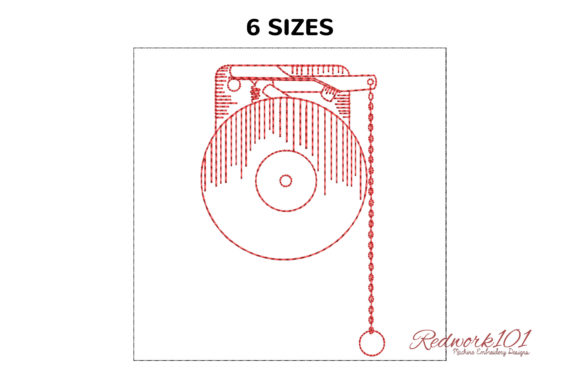
The redwork style gives Boxing Bell Redwork a classic, almost heirloom quality. Redwork embroidery has a long tradition in folk art and domestic needlework, and this design carries that legacy with grace. The boxing bell itself is rendered with enough detail to feel authentic, but not so much that it becomes fussy or overwhelming. It strikes a lovely balance between illustrative charm and clean stitching. Depending on how you customize it, the mood can shift from sweet and nostalgic to bold and modern. The optional Box Stitch frame adds a wonderful finishing touch, especially if you choose a contrasting thread color for the outer box. I tested it with a soft navy blue for the box and traditional red for the bell, and the result was elegant enough for a wedding keepsake yet playful enough for a nursery piece. Customers looking for a custom embroidery design that feels both meaningful and versatile will be drawn to this file immediately.
Where Boxing Bell Redwork Excels as a Personalized Gift
I have been testing Boxing Bell Redwork across several product categories to see where it performs best. Here is what I have found so far:
- Baby embroidery: A boxing bell naturally evokes ideas of a new champion arriving. Stitched onto a soft receiving blanket or a burp cloth set, it becomes a sweet, gender-neutral motif that parents love. The redwork style keeps it gentle and not too loud.
- Wedding gifts: Imagine this design on a set of kitchen towels or a pillow cover for a couple who met at a boxing gym or share a love of vintage sports. It feels personal without being obscure. Adding the couple’s initials inside or near the bell makes it a true personalized gift.
- Family keepsakes: For a grandparent who coached boxing or a family with a history in the sport, this design on an apron or a tote bag becomes a conversation piece. The handmade product angle here is strong because the design feels intentional.
- Nursery decor: A small hoop framed with Boxing Bell Redwork makes beautiful wall art for a baby’s room. The redwork aesthetic fits well with both modern and traditional nursery themes.
- Custom tote bags and pillow covers: These are staples for any Etsy seller or small shop product line. The design stitches cleanly on cotton and linen, and the optional box frame gives it a polished, finished look that photographs beautifully for online listings.
For craft fair products, this design is a strong contender because it appeals to customers who value storytelling in their purchases. A simple sign explaining the redwork tradition and the meaning behind the bell can boost engagement and perceived value.
Considerations for Tricky Surfaces and Fabrics
Not every surface is ideal for Boxing Bell Redwork. I always advise testing before committing to a production run, especially if you are a commercial embroidery business or an Etsy seller fulfilling custom orders. Here are the areas where I recommend extra caution:
- Small lettering details: If you plan to add text near the bell, keep the font size large enough to maintain readability after stitching. Redwork designs often rely on fine lines, and tiny lettering can get lost or become distorted, especially on textured fabric.
- Delicate details within the bell: The internal lines of the bell need a stable fabric to hold their shape. On lightweight, stretchy materials like jersey knit baby onesies, the stitch tension can pull the fabric and cause distortion. Use a quality cutaway stabilizer and test on a scrap piece first.
- Thick towels and textured fabrics: Terry cloth and thick kitchen towels can absorb thread and make fine details look muddy. I recommend increasing the underlay stitches slightly and using a sharp needle to prevent skipped stitches. A water-soluble topping can also help keep the redwork lines crisp.
- Stretchy baby clothes: Onesies and stretchy bodysuits require a firm hooping and a stabilizer that moves with the fabric without shifting. Boxing Bell Redwork has moderate stitch density, so it handles stretch better than high-density designs, but testing is essential.
- Curved surfaces: Hats, sleeves, and curved pillow edges can be tricky. The design works best on flat or gently curved panels. For steep curves, reduce the design size or use a smaller hoop to avoid registration issues.
- Dark fabric: Redwork traditionally uses red thread on a light background. On dark fabric, the contrast may not read as cleanly. Consider using a white or bright thread for the bell outline if you are stitching on black or navy. Always check thread color contrast before committing to a final product.
- Frequent washing: For products like bibs, towels, and blankets that will be washed often, ensure your thread is colorfast and your stabilizer is fully removed or dissolved. Test a wash cycle on a sample to confirm the design holds up over time.
How Boxing Bell Redwork Affects Giftability and Customer Trust
When I evaluate a digital embroidery file for my shop, I think about how it will affect the finished product’s ability to sell itself. Boxing Bell Redwork scores well here because it has a clear visual identity that customers can understand at a glance. A personalized gift featuring this design feels curated, not generic. That directly impacts customer trust and buyer engagement. Shoppers are more likely to click on a listing that shows a thoughtful, well-stitched design because it signals quality and care.
The handmade quality of redwork also creates an emotional connection with the buyer. There is a reason redwork heirlooms are passed down through generations. The simplicity of the stitching lets the sentiment behind the gift shine. For product photography, this design photographs beautifully in natural light, especially when stitched on a neutral background with the optional box frame in a contrasting color. I recommend stitching a sample on a white or cream fabric and photographing it against wood or soft textiles to build a strong listing image.
For printable mockup purposes, the design is clean enough to layer onto product images without looking messy. That is a big time saver if you sell on multiple platforms and need consistent visuals.
Practical Embroidery Notes Before You Stitch
Before you start fulfilling custom embroidery orders with Boxing Bell Redwork, here are the steps I always take when testing a new design for my shop:
- Test on scrap fabric: Always stitch a sample on the exact fabric you plan to use for the final product. This confirms the design behaves as expected under your machine and settings.
- Check thread color contrast: Redwork typically uses one or two colors. The Box Stitch shown in the picture is optional, and the color of the outer box can be a different color than the bell. In most designs, the box is a separate element. If it is not part of the design itself, you can skip that color directly in your embroidery software. Confirm this before stitching.
- Confirm hoop size: Check the design dimensions against your available hoop sizes before selling. Boxing Bell Redwork should fit comfortably in a standard 4x4 or 5x7 hoop, but always verify the embroidery file details before promising a size to a customer.
- Review stitch density: Redwork designs are typically low to moderate in density, which makes them ideal for soft goods. If the design feels too dense or too loose on your test sample, adjust underlay stitches or pull compensation as needed.
- Use proper stabilizer: For most applications, a tear-away stabilizer works well. For stretchy fabrics, switch to cutaway. For towels, use a water-soluble topping and a medium-weight cutaway underneath.
- Compare light and dark fabric mockups: Stitch one version on white and one on a dark color to see how the design reads. This will help you advise customers who want the design on different backgrounds.
- Check small details after stitching: Inspect the bell’s internal lines, the optional box corners, and any lettering you added. If any element looks distorted, adjust your tension or stabilizer before stitching the final product.
- Confirm commercial licensing: Before selling finished products featuring Boxing Bell Redwork, confirm the usage rights of the embroidery file. Most machine embroidery design sellers offer commercial licenses with purchase, but check the terms to ensure you are covered for selling on Etsy, at craft fairs, or through your own shop.
Final Thoughts on Boxing Bell Redwork
After several test stitches and mockups, I feel confident adding Boxing Bell Redwork to my small shop product lineup. It is a design that respects the tradition of redwork while feeling fresh enough for modern personalized gift orders. The optional Box Stitch adds a layer of customization that can make each piece feel unique, whether you are stitching for a baby shower, a wedding, a holiday gift, or a simple everyday keepsake. For embroidery makers and digital product sellers, this design offers strong visual appeal, good stitching behavior, and clear emotional resonance. If you are building a collection of baby embroidery, wedding gift, or blanket embroidery options, Boxing Bell Redwork deserves a spot on your shortlist.
Take the time to test it on your own fabric and machines. Adjust the thread colors to match your brand or your customer’s vision. And remember that the best handmade product is one that tells a story. Boxing Bell Redwork gives you a beautiful starting point for that story.